
Real repair · Dryer Repair
LG Gas Dryer Not Heating? Check the Gas Supply Before Replacing Parts
An LG dryer was opened and its components checked before the simplest cause came into view: the gas supply had been turned off.
Published · Lakeside Appliance Repair LLC
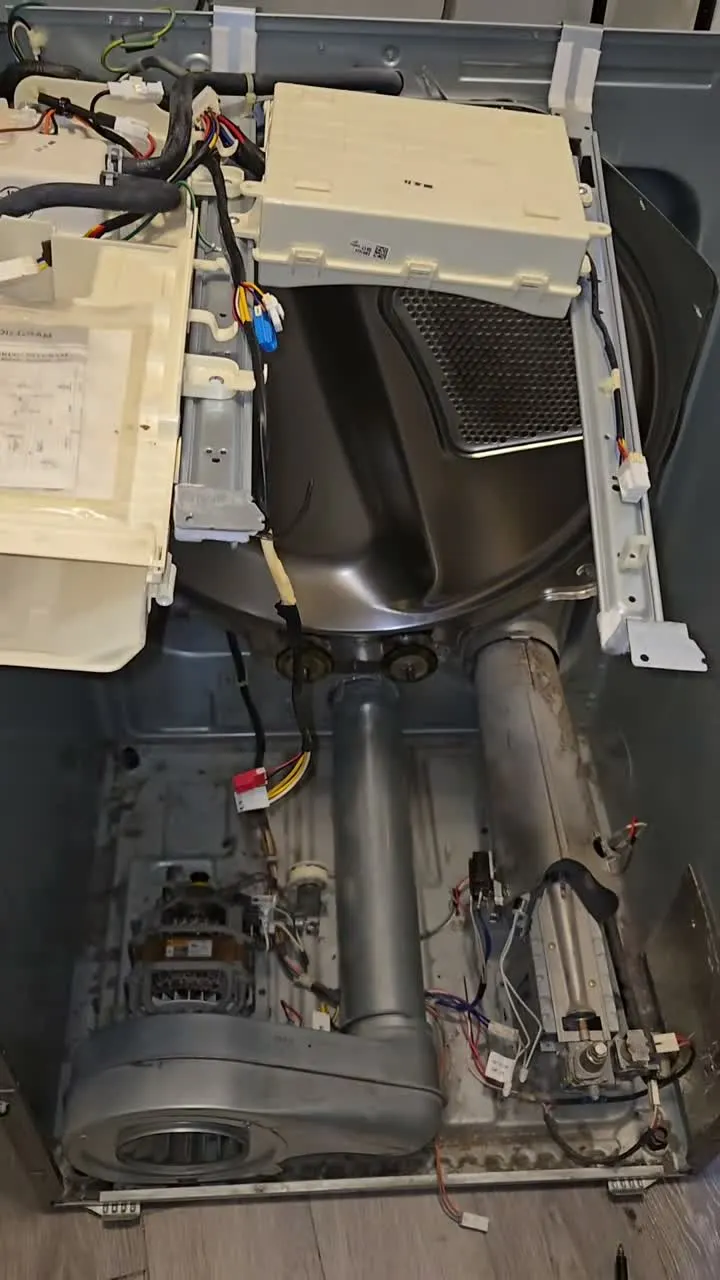
This guide is based on an actual service call documented by Lakeside Appliance Repair. It explains what the footage shows, what the symptom can mean, and which checks are safe before arranging dryer repair.
Why a gas dryer can run without heating
A gas dryer still uses electricity to turn the drum and operate its controls. That means the machine may appear to run normally even when gas is not reaching the burner.
No-heat complaints can also involve the igniter, thermal fuse, thermostats, flame sensor, coils, airflow, wiring, or controls. A good diagnosis checks the complete system rather than guessing at a part.
What we found on this LG dryer
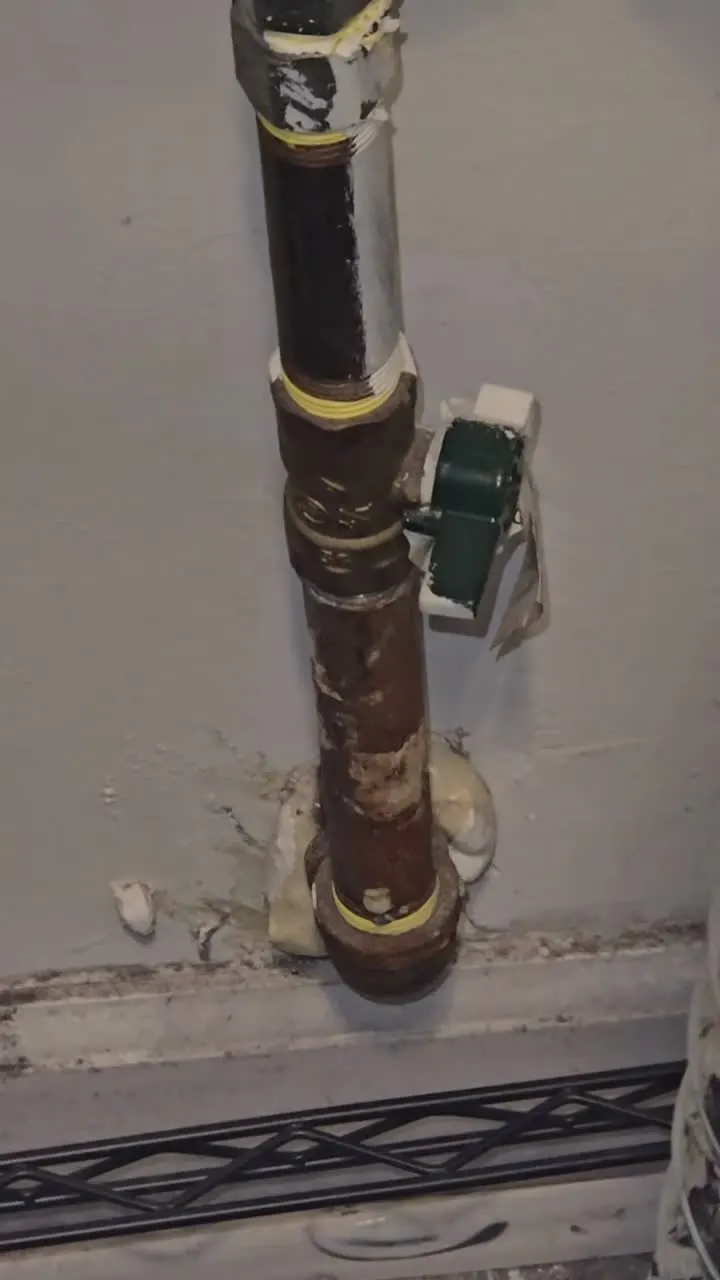
The dryer was disassembled and the motor, thermostats, fuse, and igniter were checked. Those components did not explain the complaint. The gas supply behind the appliance had been turned off.
That is the practical lesson from this repair: confirm the appliance's basic inputs before replacing parts. Power, settings, airflow, and the fuel supply can produce symptoms that resemble a component failure.
Safe checks before scheduling service
- Confirm the cycle is set to use heat rather than air dry
- Check whether the drum turns and whether an error code appears
- Make sure the lint screen is clean and the exterior vent is not visibly blocked
- If you are familiar with the gas shutoff, visually confirm its position without moving the appliance or disconnecting a line
When a technician should diagnose it
If the gas supply is on and the dryer still produces no heat, internal testing is the next step. A technician can verify ignition, temperature protection, gas-valve operation, airflow, and controls before recommending a repair.
Long dry times also deserve attention. Restricted airflow can reduce performance and create excess heat even when the burner is operating.